


Dr. Abhishek Gupta
MBBS, M.S. (Orthopaedics)
Sr. Consultant Orthopaedics & Joint Surgeon
Working Hour: Mon-Sat 5:30pm to 8:30pm


Joint Replacement Surgeon in Jaipur
Are you experiencing persistent joint pain or finding it difficult to move comfortably? Dr Abhishek Gupta provides personalised care for damaged joints and helps patients explore suitable treatment options. Consult an experienced joint replacement surgeon in Jaipur for guidance towards better movement and an active life.


Overview
Expert Joint Replacement Surgeon in Jaipur for Better Mobility
Joint pain and stiffness can make everyday activities like walking, climbing stairs, or getting up from a chair difficult. When joint damage becomes severe and other treatments no longer provide relief, surgery may be considered. Dr. Abhishek Gupta, a Joint Replacement Doctor in Jaipur, assesses each patient’s condition and recommends suitable treatment, including knee or hip replacement, to help reduce pain and improve mobility.
Key benefits include:
- Relief from persistent joint pain.
- Improved movement and flexibility.
- Greater comfort during daily activities.
- Better mobility and independence.

Advanced Knee Arthroscopy in Jaipur Consult Dr. Abhishek Gupta
Trusted care for lasting knee pain relief and improved function
Let’s Request a Schedule for Expert knee Arthroscopy Care
Conditions That May Require Joint Replacement
Joint problems can develop due to ageing, arthritis, previous injuries, or damage to the bones and cartilage. A Joint replacement surgeon in Jaipur evaluates the affected joint and recommends suitable treatment when pain and stiffness start interfering with everyday activities.
- Osteoarthritis: Osteoarthritis develops when the protective cartilage covering the ends of bones gradually wears down. It can cause joint pain, stiffness, and difficulty walking or bending.
- Rheumatoid Arthritis: Rheumatoid arthritis is an autoimmune condition that causes joint inflammation. Over time, it can damage the cartilage and bones, sometimes leading to severe joint problems.
- Avascular Necrosis: Avascular necrosis occurs when the blood supply to a bone is reduced, causing bone tissue to deteriorate. It commonly affects the hip and can damage the joint.
- Post-Traumatic Arthritis: Previous fractures, accidents, or serious joint injuries can damage the cartilage. This may cause pain, stiffness, and arthritis that develops over time.
- Advanced Joint Damage: Severe damage to the joint can affect walking, bending, and other everyday movements. Joint replacement may be considered when other treatment options no longer provide sufficient relief.
Dr. Abhishek Gupta evaluates each patient’s joint condition and recommends treatment based on the extent of damage, symptoms, and overall health

Dr. Abhishek Gupta
MBBS, M.S. (Orthopaedics)
Sr. Consultant Orthopaedics &
Joint Surgeon
Different Surgical Options for Knee, Hip and Shoulder Joints
Joint replacement procedures vary depending on the affected joint and the extent of damage. The surgeon evaluates the patient’s condition to determine which parts of the joint need replacement. The main procedures include:
- Knee Replacement Surgery
Knee replacement may be recommended when damaged cartilage causes persistent pain, stiffness, and difficulty walking. Depending on how much of the knee is affected, the following procedures may be considered:
- Total Knee Replacement: The damaged surfaces of the knee joint are replaced with artificial components. It is generally recommended when arthritis affects most of the joint.
- Partial Knee Replacement: Only the damaged portion of the knee is replaced, while the healthy parts are preserved. It may be suitable when damage is limited to one section of the knee.
- Revision Knee Replacement: This procedure replaces or corrects an existing knee implant when it becomes loose, worn out, or stops functioning properly.
- Hip Replacement Surgery
Hip replacement may be considered when arthritis, avascular necrosis, or other conditions cause severe pain and restrict movement. The procedure involves replacing damaged parts of the hip joint with artificial components.
- Total Hip Replacement: Both the ball and socket of the hip joint are replaced with artificial components to improve joint function and reduce pain.
- Partial Hip Replacement: Only the ball-shaped upper part of the thigh bone is replaced, while the natural socket is retained. It is commonly performed for certain types of hip fractures.
- Revision Hip Replacement: An existing hip implant is replaced or corrected when complications, loosening, or wear affect its function.
- Shoulder Replacement Surgery
Shoulder replacement may be recommended when severe arthritis, injuries, or other joint conditions cause persistent pain and restrict arm movement. The procedure depends on the condition of the shoulder joint and surrounding tissues.
- Total Shoulder Replacement: The damaged ball and socket surfaces are replaced with artificial components to improve shoulder movement and reduce pain.
- Partial Shoulder Replacement: Only the damaged ball-shaped part of the shoulder joint is replaced, while the natural socket is preserved.
- Reverse Shoulder Replacement: The normal ball-and-socket arrangement is reversed. It may be recommended for patients with severe rotator cuff damage or certain complex shoulder conditions.
The choice of procedure depends on the extent of joint damage, medical history, and overall health. A proper evaluation helps determine the most suitable approach for patients considering joint replacement surgery in Jaipur.
Signs That Indicate a Need for Joint Replacement Evaluation
Joint problems can gradually affect movement and make everyday activities uncomfortable. When pain, stiffness, or swelling continues despite treatment, a specialist evaluation may help identify the cause. Some common signs include:
- Persistent Joint Pain: Pain that continues during movement, rest, or at night and interferes with daily activities.
- Joint Stiffness: Difficulty bending the knee, moving the hip, or using the shoulder comfortably.
- Swelling Around the Joint: Repeated swelling, tenderness, or inflammation that causes discomfort and restricts movement.
- Difficulty Walking: Pain or stiffness that makes walking, standing, or climbing stairs difficult.
- Reduced Range of Motion: Difficulty bending, straightening, or rotating the affected joint through its normal movement.
- Joint Deformity: Changes in the shape or alignment of the joint, sometimes seen in advanced arthritis.
- Joint Weakness or Instability: Feeling that the joint may give way or cannot properly support your body weight.
- Difficulty Performing Daily Activities: Struggling with routine tasks such as getting out of a chair, dressing, bathing, or picking up objects.
- Pain That Disturbs Sleep: Joint discomfort that makes it difficult to sleep comfortably or causes repeated waking during the night.
- Limited Relief from Other Treatments: Continued pain and movement problems despite medicines, physiotherapy, injections, or other recommended treatments.
Not everyone experiencing these symptoms needs joint replacement. The decision depends on the extent of joint damage, symptoms, and response to previous treatments. Visiting a Joint replacement Clinic in Jaipur can help patients receive a proper evaluation and understand suitable treatment options.
Personalised Assessment Before Joint Replacement
For patients considering joint replacement in Jaipur, proper evaluation is important before deciding on surgery. The surgeon examines the affected joint, reviews the patient’s medical history, and checks how much the joint problem is affecting everyday activities.
- Medical History: The surgeon reviews previous joint problems, injuries, existing health conditions, medications, and treatments to understand the patient’s overall health and medical background.
- Physical Examination: The affected joint is examined for pain, swelling, tenderness, stiffness, stability, and range of motion to understand how well it is functioning.
- X-rays: X-ray images help identify joint space narrowing, bone changes, deformities, and signs of arthritis that may be contributing to pain and restricted movement.
- MRI Scan: An MRI may be recommended when more detailed information is needed about cartilage, ligaments, soft tissues, and other structures surrounding the affected joint.
- Blood Tests: Blood tests help assess general health and identify conditions such as infection, anaemia, or other medical concerns that may need attention before surgery.
- Surgical Planning: After reviewing examination findings and test results, the surgeon determines the appropriate procedure, considers implant options, and plans the treatment according to the patient’s needs.
Careful evaluation and surgical planning help determine whether joint replacement is appropriate and prepare patients for joint replacement surgery in Jaipur.
Surgical Approach and Techniques Used During Joint Replacement
Dr. Abhishek Gupta, an experienced Joint replacement surgeon in Jaipur, carefully plans each procedure according to the affected joint, extent of damage, and the patient’s overall health. From preparing the joint to positioning the artificial implant, every stage requires proper assessment and surgical precision.
- Surgical Planning and Preparation: Before the procedure, the surgeon reviews the patient’s medical history, physical examination findings, and imaging reports. The affected joint is assessed to understand the extent of damage and determine the appropriate surgical approach. Anaesthesia is administered, and the surgical area is cleaned and prepared to reduce the risk of infection.
- Accessing the Affected Joint: Once the patient is prepared, the surgeon makes an incision near the affected joint to reach the damaged area. The location and size of the incision depend on whether the procedure involves the knee, hip, or shoulder. Care is taken to access the joint while protecting the surrounding muscles, tissues, and structures.
- Removing Damaged Joint Surfaces: The damaged cartilage and selected portions of bone are carefully removed to prepare the joint for replacement. The surgeon shapes the affected surfaces according to the planned implant and checks the prepared area to ensure that the artificial components can be positioned appropriately.
- Positioning the Artificial Implant: After preparing the joint, the surgeon places the selected artificial components in the appropriate position. The implant replaces the damaged joint surfaces and is positioned to support proper alignment, stability, and movement. The type and size of the implant depend on the patient’s joint condition and surgical requirements.
- Checking Joint Alignment and Movement: Once the implant is positioned, the surgeon checks the alignment, stability, and movement of the replaced joint. This step helps assess how the artificial components work together and whether the joint moves through an appropriate range of motion.
- Closing the Surgical Site: After completing the necessary checks, the surgeon closes the incision using appropriate surgical techniques. A dressing is applied to protect the surgical area, and the patient is shifted to the recovery area for monitoring and post-operative care.
The surgical approach and implant selection vary according to the affected joint and individual requirements. Proper planning and surgical care play an important role in achieving good outcomes for patients undergoing joint replacement in Jaipur.
Choosing the Right Implant for Better Joint Movement
Choosing the right implant is an important part of joint replacement surgery. Every patient has different needs depending on the affected joint, extent of damage, bone condition, and daily activities. The surgeon considers these factors before selecting an implant that fits the patient’s condition and supports comfortable joint movement.
- Type of Joint Involved: Implants are designed differently for knee, hip, and shoulder replacement. The surgeon considers the structure of the affected joint, the extent of damage, and the type of procedure before selecting a suitable implant.
- Implant Material: Joint replacement implants are made using materials such as medical-grade metals, ceramics, and specialised plastic components. The choice depends on the joint being replaced, implant design, and the patient’s individual requirements.
- Implant Size and Fit: The size and shape of the implant should match the patient’s bone structure as closely as possible. Proper sizing and positioning help support joint alignment, stability, and comfortable movement after surgery.
- Bone Condition: The strength and quality of the surrounding bone are important when selecting an implant. The surgeon checks the bone condition to determine which implant design and fixation method may be suitable.
- Patient’s Age and Activity Level: Age, daily routine, physical activity, and overall health are considered during implant selection. The surgeon also considers the patient’s movement requirements and long-term expectations when planning the procedure.
- Implant Fixation: Joint implants can be fixed using bone cement or a cementless technique. The choice depends on factors such as bone quality, the joint being replaced, and the implant design.
Selecting a suitable implant involves careful consideration of the patient’s condition and surgical needs. An experienced Joint replacement surgeon in Jaipur evaluates these factors to plan the procedure and support proper joint function after surgery.
Dr. Abhishek Gupta
MBBS, M.S. (Orthopaedics)
Sr. Consultant Orthopaedics &
Joint Surgeon
Care Before and After Joint Replacement Surgery
A hospital stay includes preparation before surgery, medical monitoring, and support during initial recovery. Patients receive guidance at each stage to help them recover safely.
- Admission and review of medical reports before surgery.
- Pre-surgery health checks and anaesthesia preparation.
- Surgical procedure and immediate post-operative care.
- Regular monitoring of vital signs and surgical wounds.
- Medicines to manage pain and discomfort.
- Assisted walking and initial movement after surgery.
- Physiotherapy and exercises to improve joint movement.
- Wound dressing and infection prevention.
- Discharge instructions, medicines, and follow-up appointments.
- Guidance on home care and daily activities.
At Ortho Wellness and Joint Clinic, patients receive guidance on treatment, recovery, and follow-up care at a Joint replacement Clinic in Jaipur, helping them understand each stage of their surgical journey.
Getting Back to Daily Activities After Surgery
Recovery takes time, and patients may need some help with everyday activities during the first few weeks. A Joint replacement surgeon in Jaipur guides patients on movement, exercises, and follow-up care. Rehabilitation is an important part, whether it is knee, shoulder, or Hip Replacement Treatment in Jaipur.
- Start with gentle movements as advised by the surgeon.
- Follow physiotherapy exercises to improve joint movement and muscle strength.
- Use a walker or walking stick until you feel comfortable walking without support.
- Gradually increase walking and other daily activities.
- Do prescribed exercises to strengthen the muscles around the replaced joint.
- Take prescribed medicines to manage pain and swelling.
- Keep the surgical wound clean and follow dressing instructions.
- Avoid heavy lifting and activities that put too much pressure on the joint.
- Attend follow-up visits to check healing and joint movement.
- Return to your usual routine gradually, as advised by the surgeon.
Recovery is different for everyone. Following the exercise plan, taking enough rest, and attending follow-up visits can help patients regain confidence and return to their daily activities at a comfortable pace.
Dr. Abhishek Gupta
MBBS, M.S. (Orthopaedics)
Sr. Consultant Orthopaedics &
Joint Surgeon
Common Risks to Be Aware Of
- Infection: Infection around the surgical wound or artificial joint.
- Blood Clots: Clots developing in the legs after surgery.
- Implant Loosening: Artificial components becoming loose over time.
- Joint Stiffness: Reduced movement or difficulty bending the replaced joint.
- Implant Wear: Gradual wearing down of artificial joint components.
- Nerve or Blood Vessel Injury: Possible damage to nearby nerves or blood vessels.
- Persistent Pain: Discomfort that continues even after surgery.
- Joint Dislocation: Movement of the artificial joint out of its normal position, particularly after hip replacement.
Dr. Abhishek Gupta, a Joint replacement Doctor in Jaipur, evaluates each patient’s health and joint condition before surgery to discuss possible risks and necessary precautions.
Why Choose
What Makes Dr. Abhishek Gupta a Trusted Joint Replacement Surgeon in Jaipur?
Joint replacement surgery needs proper planning and care at every step. Dr. Abhishek Gupta, an experienced Orthopaedic Doctor in Jaipur, focuses on understanding each patient's joint problems and choosing the right treatment. His approach includes:

. Personalised Treatment Planning
Every patient has different needs. He plans treatment based on the patient's joint condition, pain, and ability to move.

Focus on Proper Joint Alignment
Proper alignment is important for comfortable movement and joint function. Careful planning helps achieve a stable and well-functioning joint.

Support During Recovery
Recovery takes time and patience. Guidance on physiotherapy and regular follow-ups helps patients gradually regain strength and return to daily activities.


Contact us
Book An Appointment Now!


Testimonials
What say our patients about us







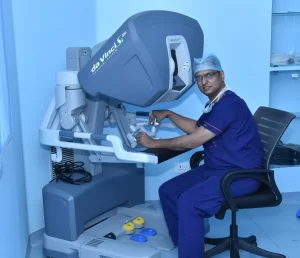




















FAQ’s
Frequently Asked Questions About Joint Replacement
Joint replacement surgery involves removing damaged parts of a joint and replacing them with artificial components. It may be recommended when arthritis, injury or another condition causes ongoing pain and limits movement. Doctors usually consider it when medicines, physiotherapy, and other suitable treatments no longer provide enough relief.
People with severe joint pain, stiffness or difficulty with everyday activities may be considered. A Joint replacement surgeon in Jaipur assesses the damaged joint, medical history, general health and response to earlier treatments. Surgery is recommended only when the likely benefits outweigh the risks for that patient.
Joint replacement is commonly performed on the knee, hip and shoulder. During the procedure, damaged joint surfaces are replaced with artificial components. Patients considering joint replacement in Jaipur should know that the suitable option depends on the affected joint, extent of damage, symptoms and overall health.
Total joint replacement replaces the damaged joint surfaces, while partial replacement replaces only the affected section and preserves the healthier parts. Partial replacement is suitable only for selected patients whose damage is limited to one area. The surgeon decides after examining the joint and reviewing imaging results.
Consider a specialist assessment when pain, stiffness or reduced movement continues to affect walking, sleeping, work or daily tasks. For example, Knee Replacement Surgery in Jaipur may be discussed when advanced knee damage causes ongoing symptoms and non-surgical treatments have not provided enough relief yet.
Sometimes, medicines, physiotherapy, weight management, activity changes or injections can help control symptoms and delay surgery. These options cannot repair severely damaged cartilage, however. If pain and movement problems remain significant, a specialist can assess whether joint replacement in Jaipur is an appropriate option for you.
The time depends on which joint is being replaced, the complexity of the procedure and the patient’s condition. Many routine knee or hip replacements take around one to two hours, but this is only a general guide. The surgeon and anaesthesia team can explain the expected timing beforehand for joint replacement surgery in Jaipur.
Patients receive anaesthesia during the operation, so they should not feel the surgery itself. Pain, swelling and discomfort can occur afterwards, but the care team provides pain relief and guidance. The amount of discomfort and how quickly it settles vary with the procedure and each person’s recovery after joint replacement surgery in Jaipur.
The hospital stay varies according to the joint replaced, general health, home support and progress after surgery. Some patients leave within a few days, while others need longer monitoring or rehabilitation. The team at a Joint replacement Clinic in Jaipur can explain the likely plan for an individual case.
Recovery differs from person to person and depends on the joint, procedure, health and rehabilitation. Many people resume some daily activities over several weeks, while strength, balance and confidence may continue improving for months. Follow the surgeon’s advice and do not rush back into strenuous activity.
Many modern joint implants function for 15 years or longer, but no lifespan can be guaranteed. Durability depends on implant design, activity, body weight, bone health and other factors. Regular follow-up helps the surgeon check joint function and identify problems such as wear or loosening.
Possible complications include infection, blood clots, stiffness, persistent pain, dislocation in some hip replacements, and implant wear or loosening over time. Nerve or blood vessel injury can also occur. The risks differ between patients, so discuss your medical history and personal risk factors with the surgeon.
Many patients walk more comfortably and return to everyday activities after recovery, although results vary. Walking aids may be needed at first, followed by exercises and physiotherapy. The timing depends on the joint, healing and strength. Your care team will guide you on safe activity levels.
The cost depends on the joint, implant type, hospital facilities, length of stay, investigations and any additional treatment required. A Joint replacement Doctor in Jaipur can review the patient’s condition and explain the likely expenses. Ask the clinic for an itemised estimate before making treatment decisions.
To arrange a consultation, contact Ortho Wellness and Joint Clinic and ask about appointment availability with Dr. Abhishek Gupta. Keep previous reports, scans and a list of medicines ready for the visit. The clinic can explain the consultation process and tell you what information to bring.
Dr. Abhishek Gupta
Dr. Abhishek Gupta MBBS, M.S. (ORTHOPAEDICS) SR. CONSULTANT ORTHOPAEDICS & JOINT SURGEON
(Expert in Advanced Arthroscopy, Minimally Invasive Orthopaedic Surgeries & Joint Replacement)
-
 10k+ Surgeries
-
 25+ Years of Experience
-
 15k+ Happy Patients